Closing the Gap: NWTF Partners with INEC to Train Inclusivity Desk Officers Nationwide
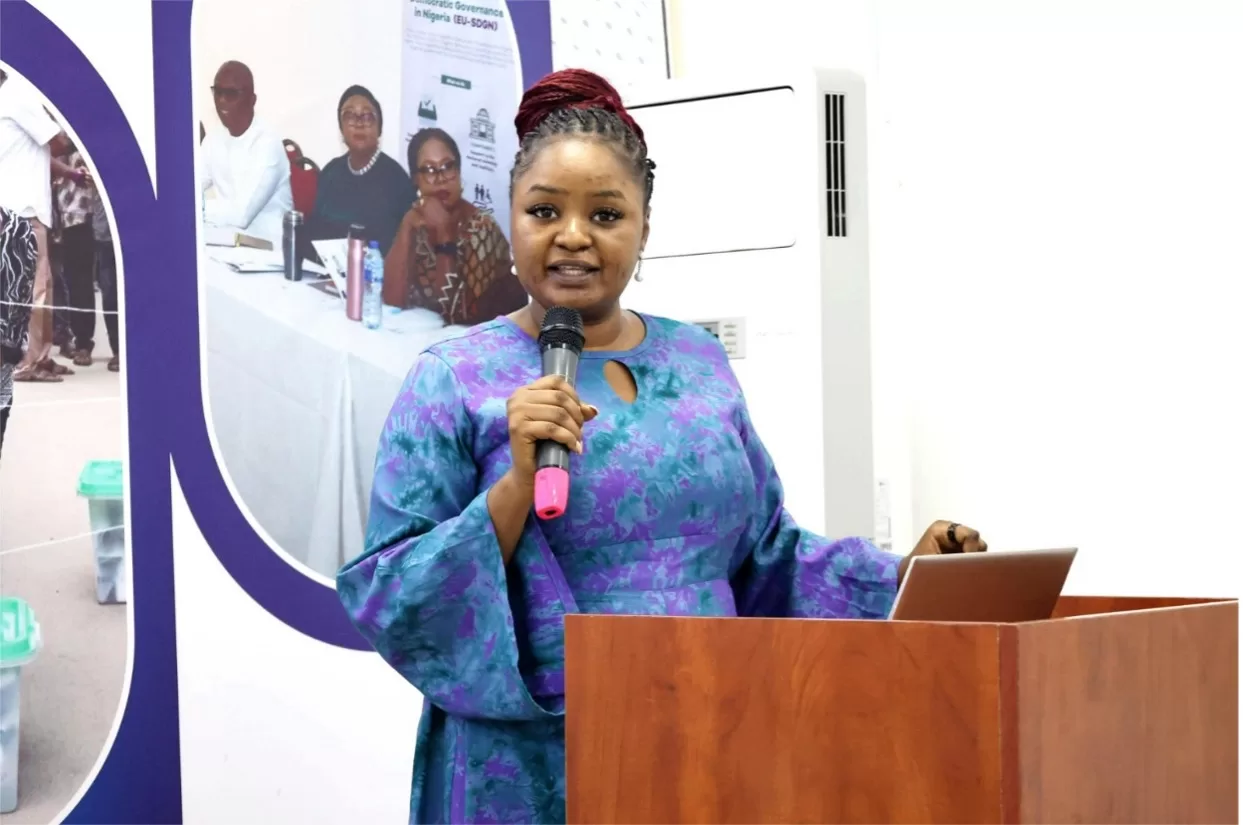
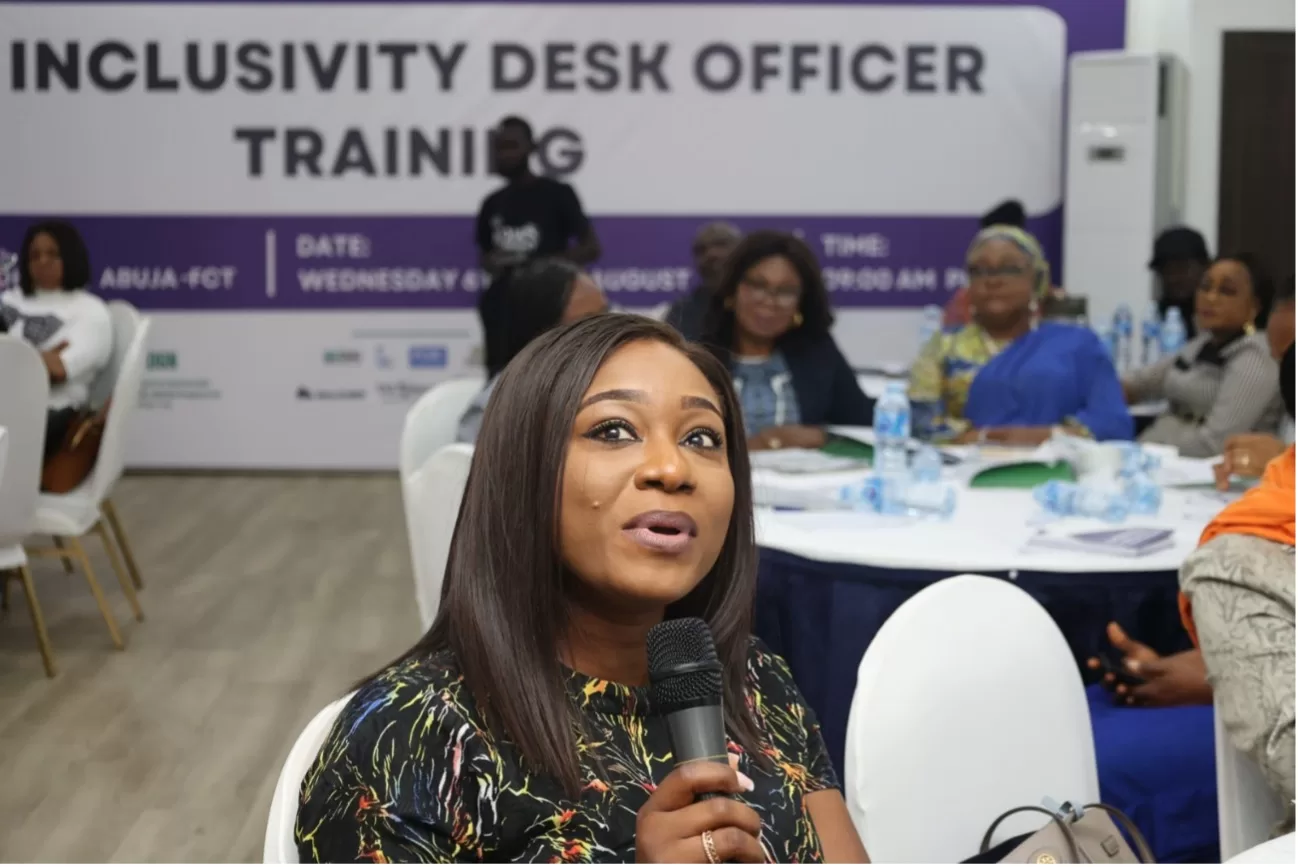
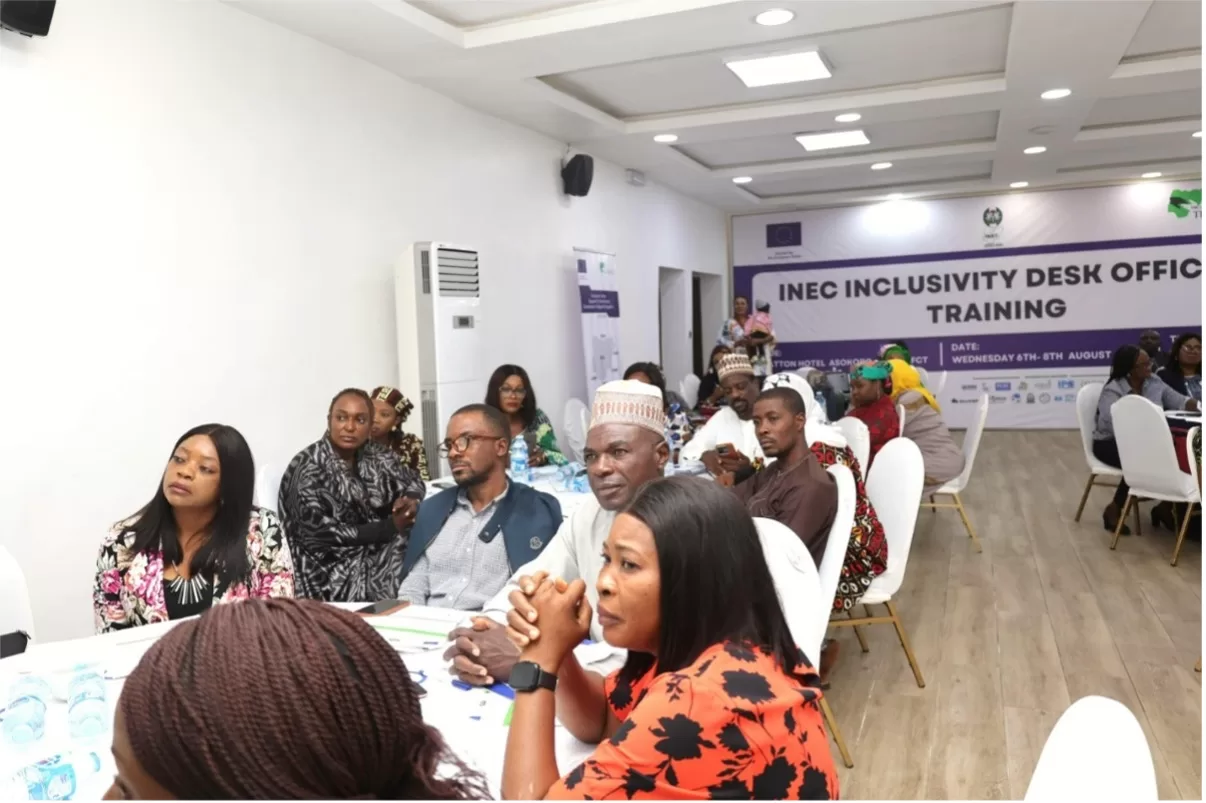
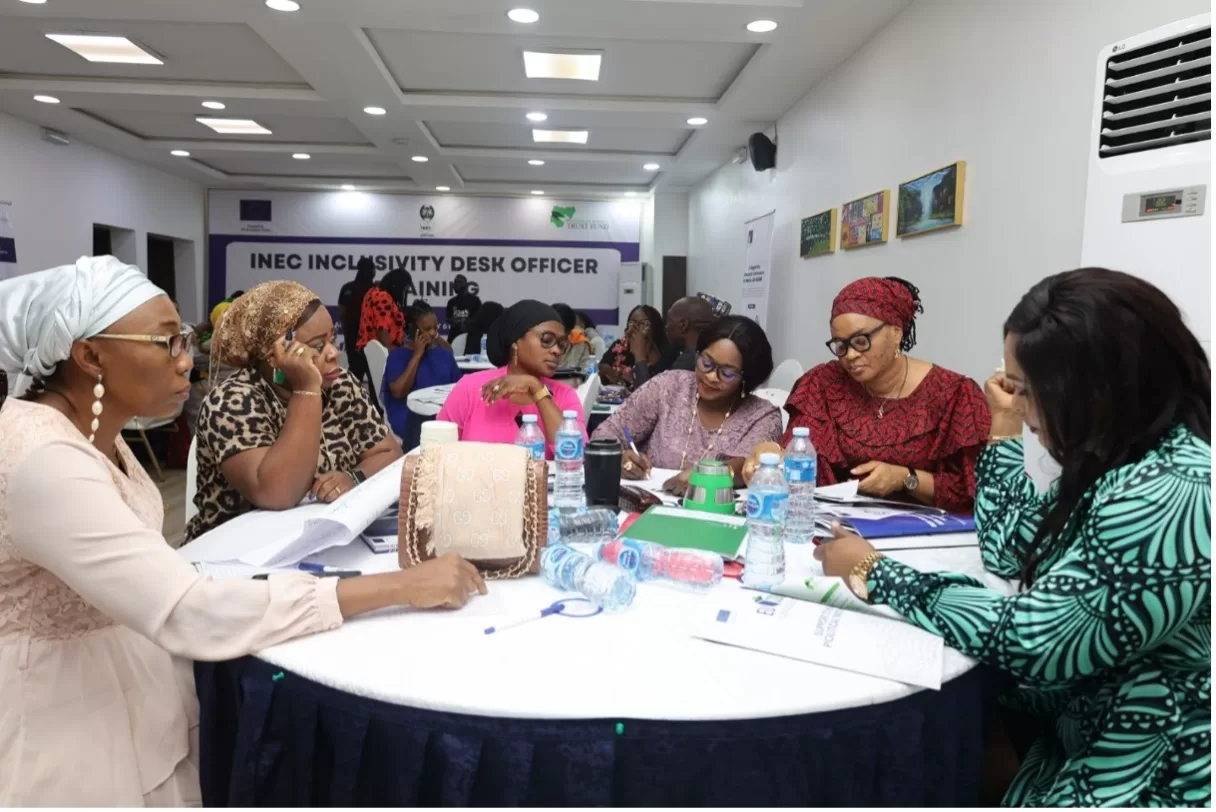
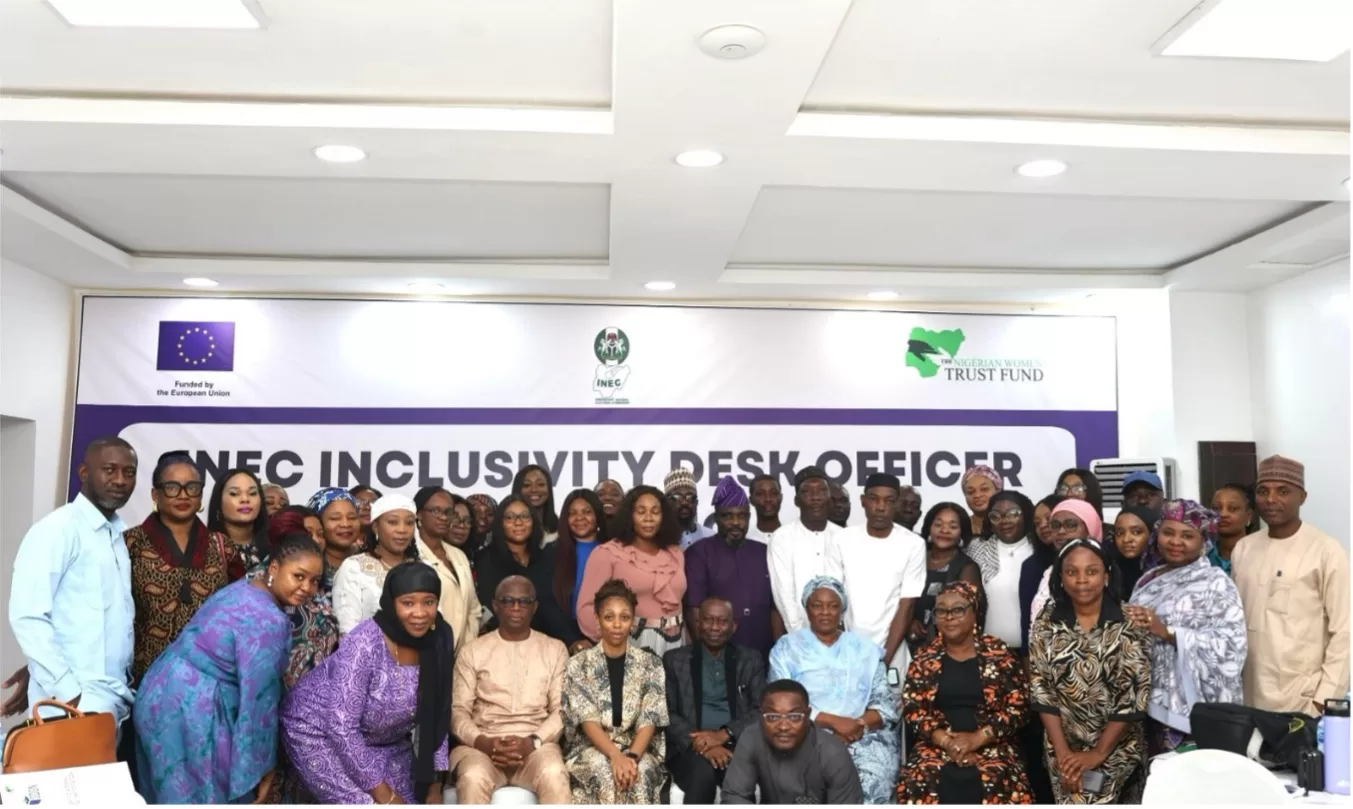
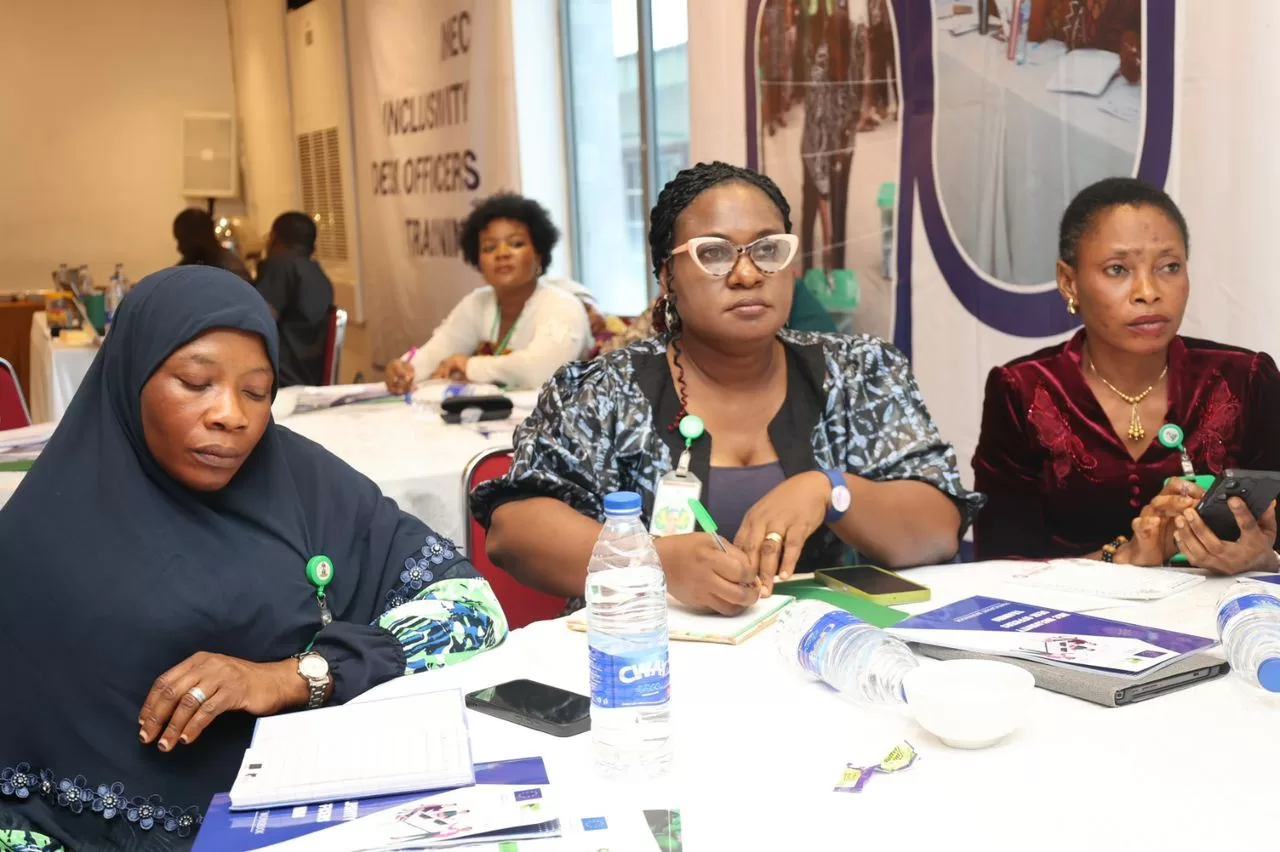
The Nigerian Women Trust Fund (NWTF), in collaboration with TAF Africa and the Independent National Electoral Commission (INEC), has commenced a groundbreaking Inclusivity Desk Officer Training to strengthen the capacity of INEC’s gender and inclusivity officers across Nigeria’s six geopolitical zones. Central to this initiative is a comprehensive training manual jointly developed by NWTF, TAF Africa, and INEC, providing practical guidance for promoting gender and disability inclusion in electoral processes.
The training is both timely and essential. Following consultations with the INEC Gender and Inclusivity Department, it was revealed that inclusivity desk officers have not received formal training in over five years. Many of the officers are newly appointed and have been learning on the job without structured support. This has created a significant gap in access to inclusivity-related election information, tools, and strategies gaps that this program directly addresses.
By equipping officers with the knowledge, resources, and confidence to implement inclusive practices, NWTF is contributing to a more equitable, transparent, and accessible electoral system. The rollout of this training across all six geopolitical zones ensures that no region is left behind, fostering a stronger national commitment to inclusivity in governance.
This program reaffirms NWTF’s position as a leader in advancing women’s political participation and disability rights in Nigeria, working hand-in-hand with INEC to build an electoral process where every voice counts and every vote matters.
North-Central
North East
News Flash: Gombe Hosts the North East Inclusivity Training
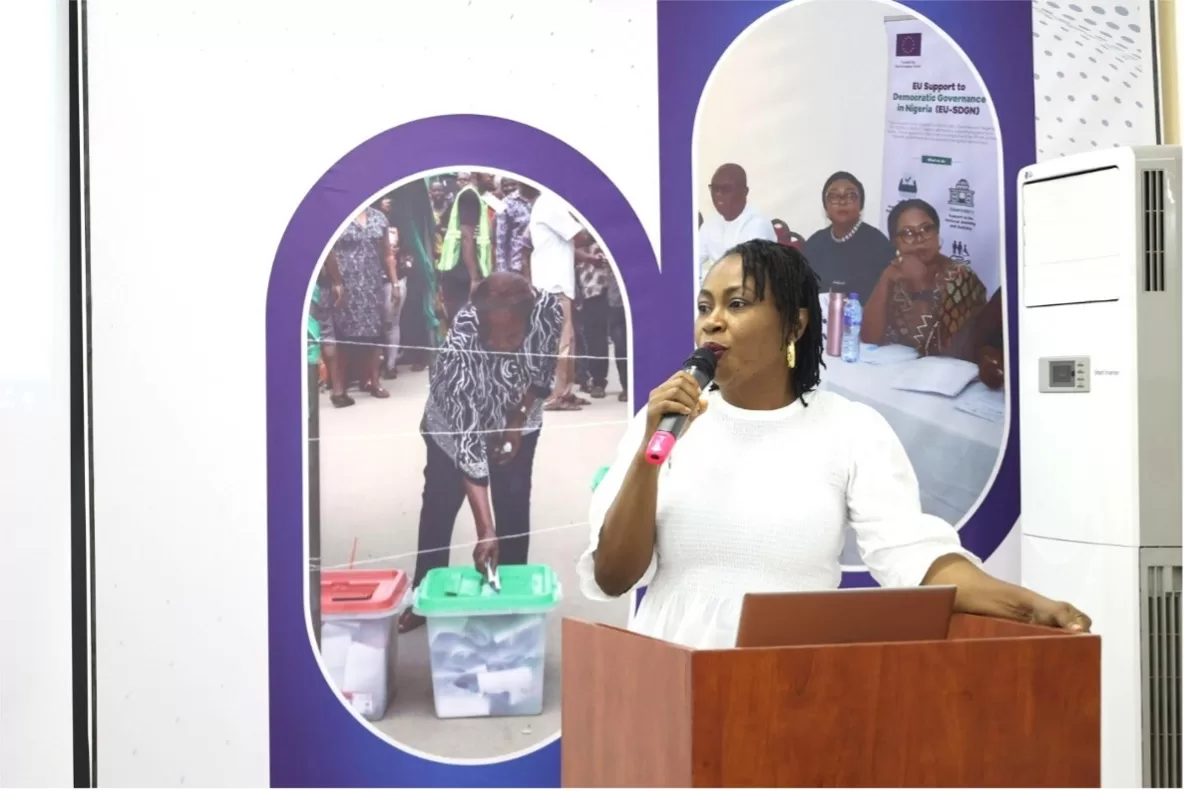
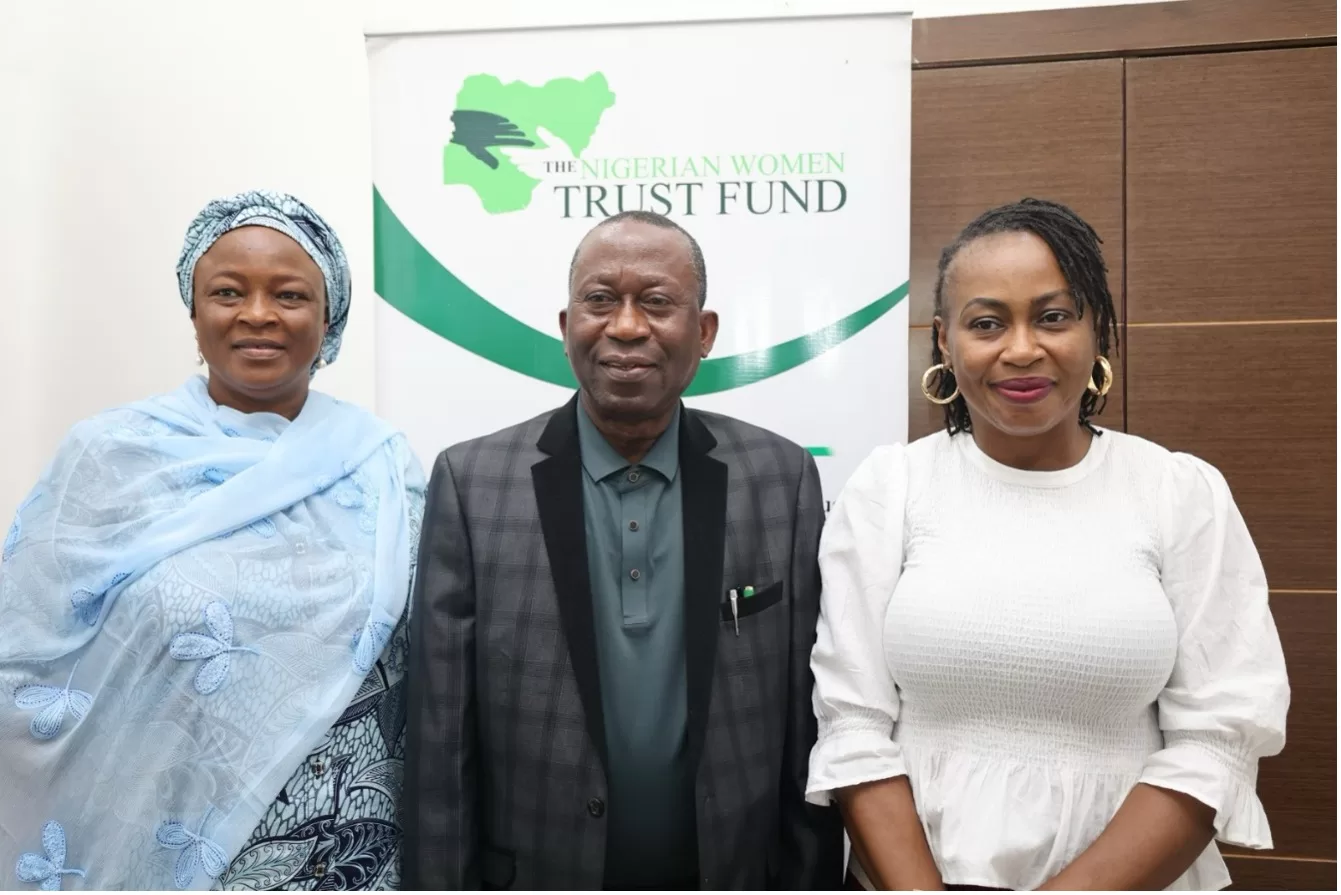
The second stop of NWTF’s Inclusivity Desk Officer Training landed in Gombe State, bringing together officers from Adamawa, Bauchi, Borno, Gombe, Taraba, and Yobe. For three days, the room buzzed with diverse perspectives as participants unpacked the unique barriers faced in their states—reminding us that there is no one-size-fits-all approach to building inclusion across Nigeria. One recurring challenge was the impact of political violence, which continues to discourage women and persons with disabilities from active participation. These insights are now being documented to refine our programming and strengthen data-driven strategies for a truly inclusive electoral process.
North West
News Flash: Kano Hosts the North West Inclusivity Training
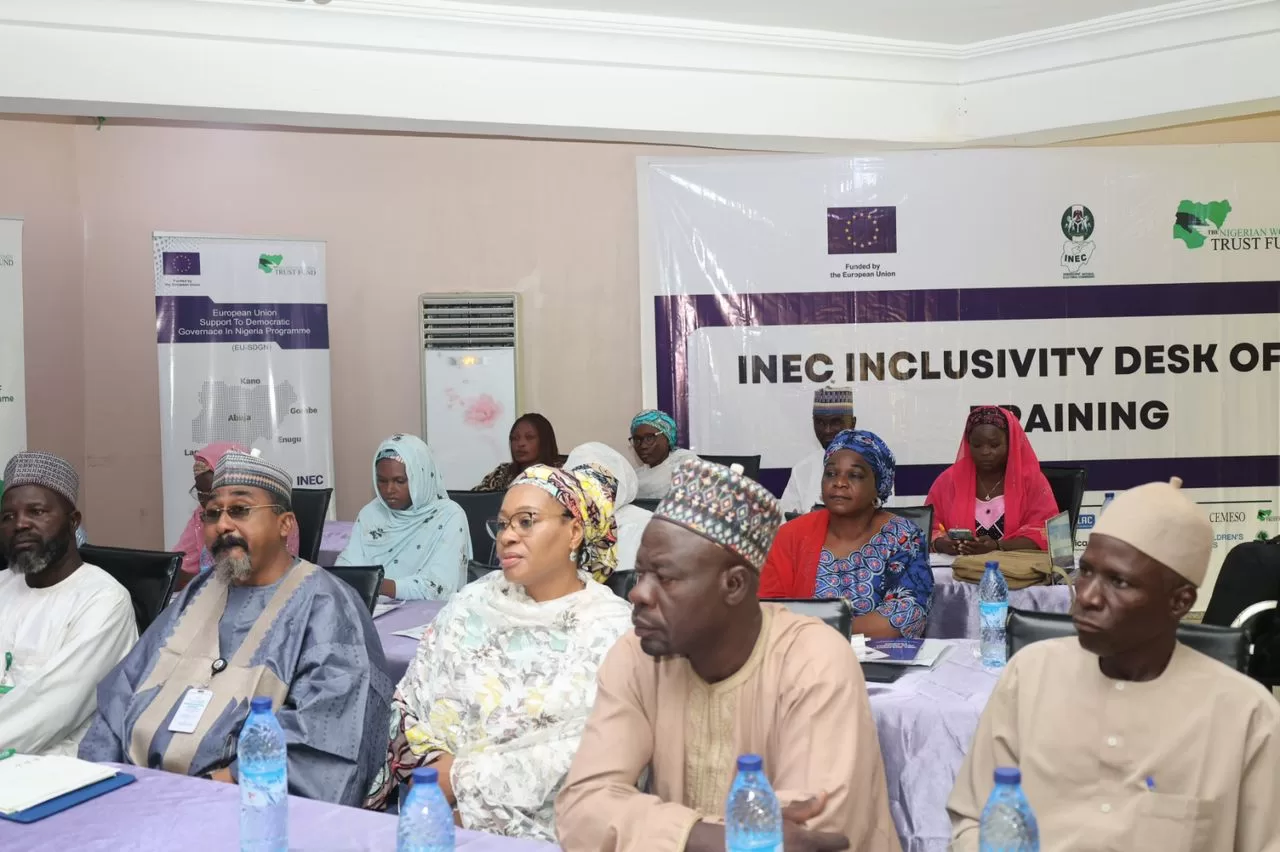
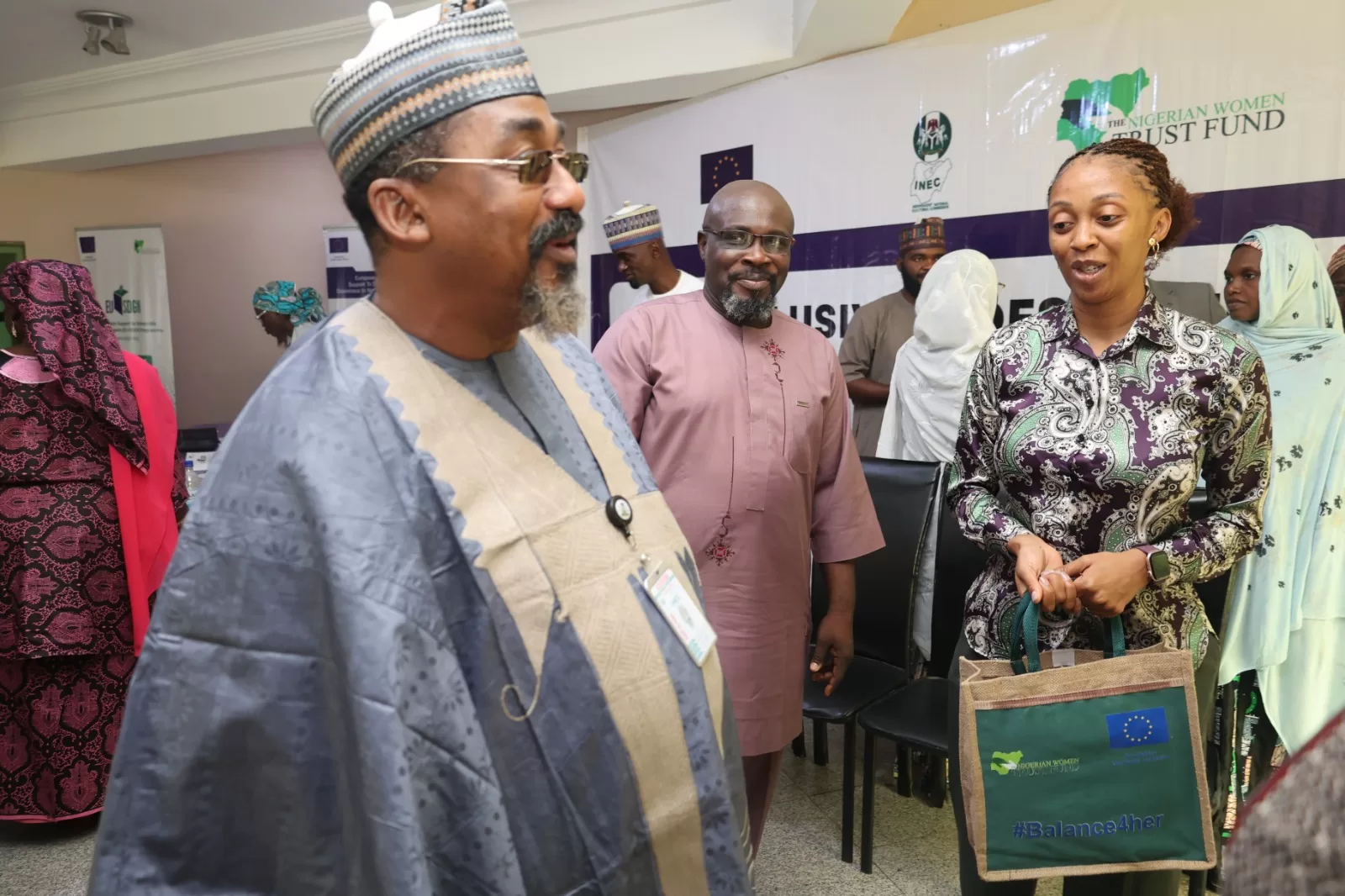
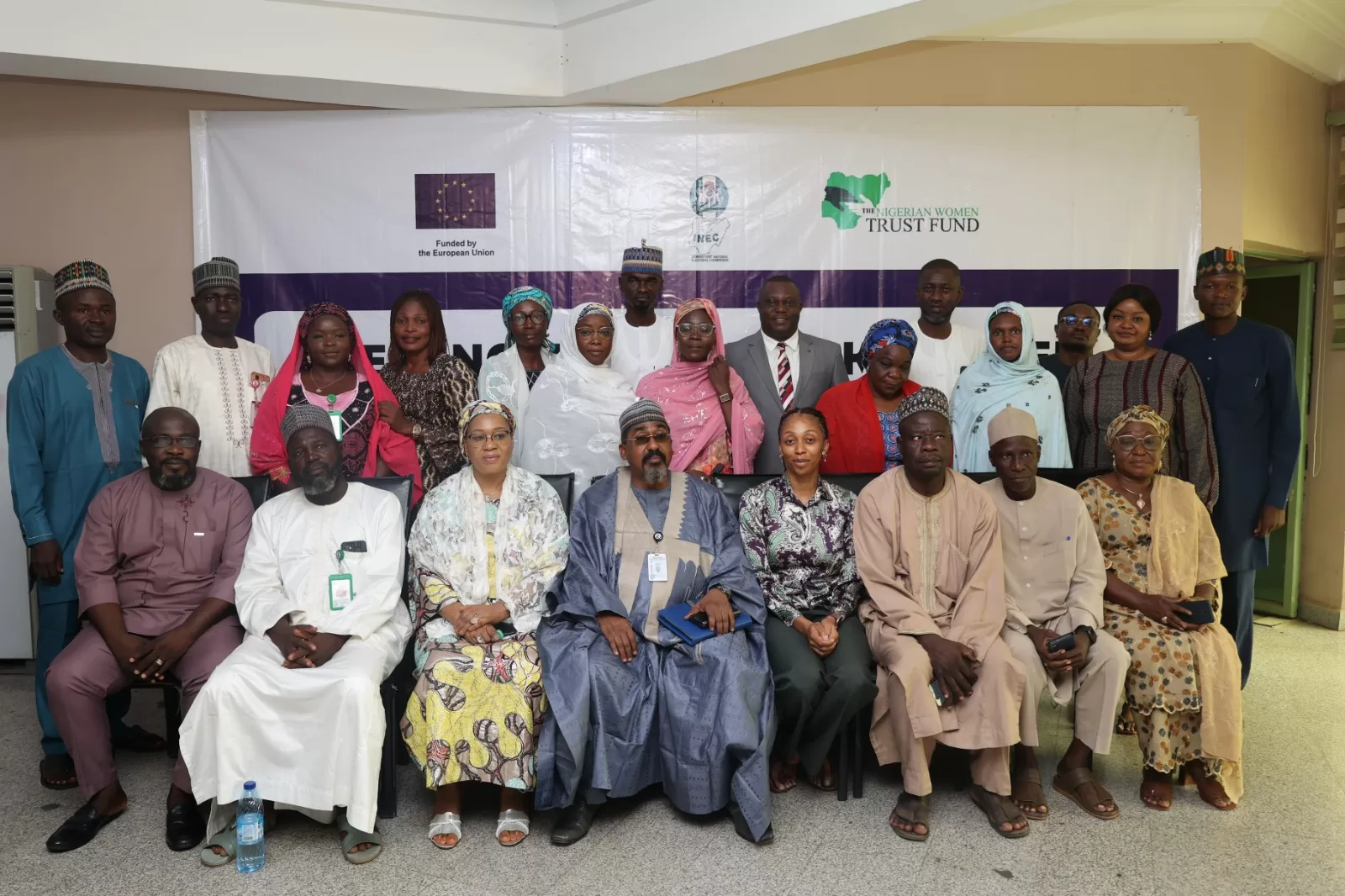
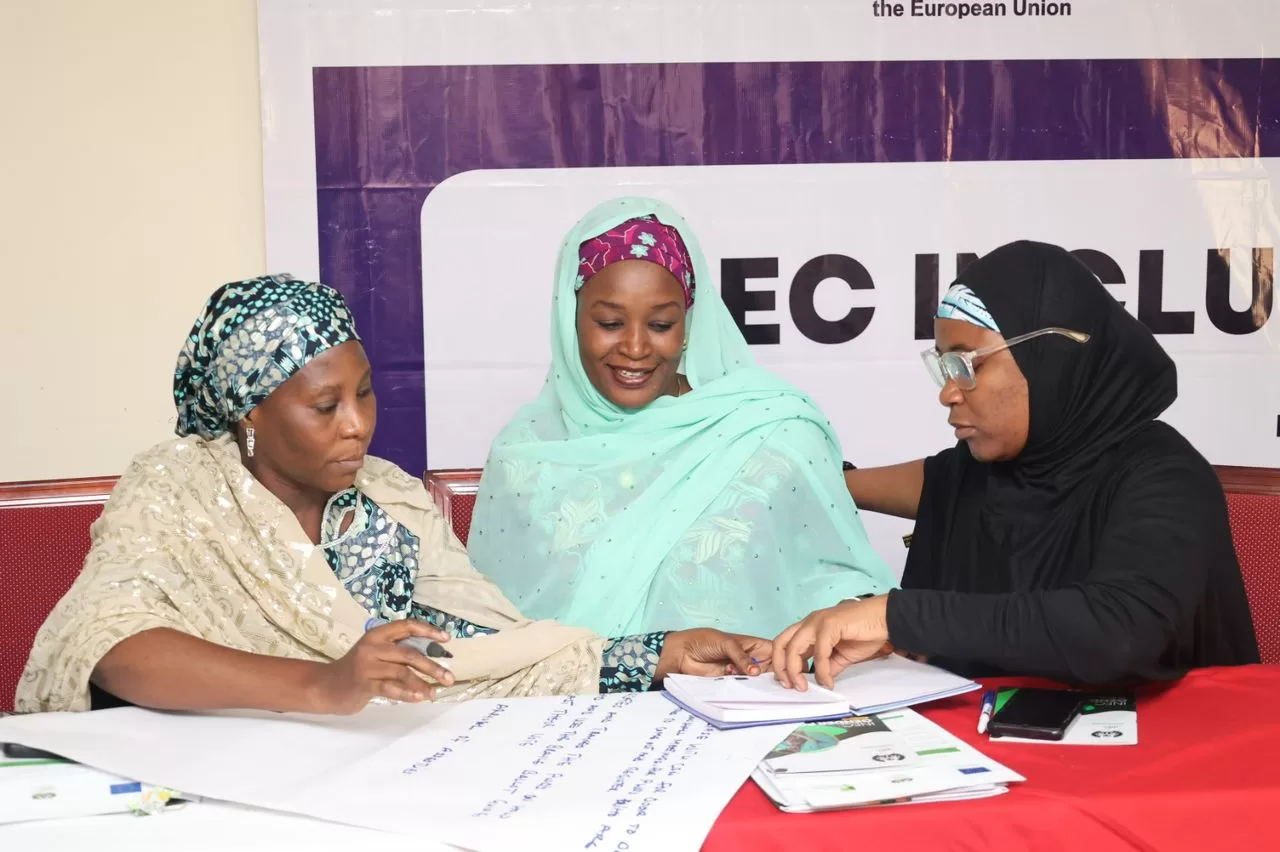
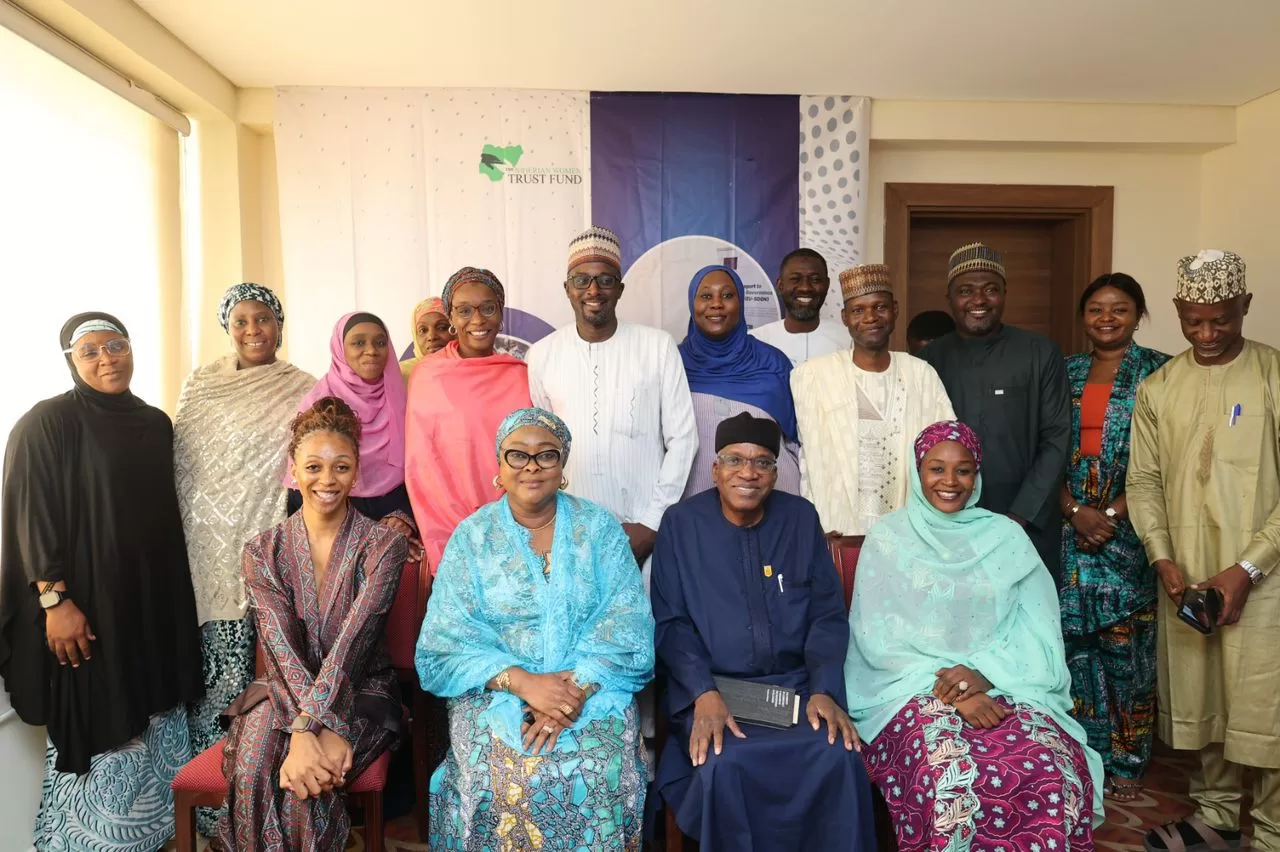
The final leg of NWTF’s Inclusivity Desk Officer Training took place in Kano, gathering officers from Jigawa, Kaduna, Kano, Katsina, Kebbi, Sokoto, and Zamfara States. This closing session for the geopolitical zones not only offered a platform for learning but also marked an important milestone—bringing to completion the nationwide series of inclusivity trainings.
In the North West, participants underscored the region’s unique barriers to inclusion shaped by cultural norms, political structures, and socio-economic realities. Discussions highlighted persistent challenges such as the low political participation of women, the underrepresentation of persons with disabilities, and structural inequalities that hinder marginalized groups from accessing leadership opportunities. Security concerns across parts of the region were also noted as compounding factors that shrink civic space and discourage participation.
A central takeaway from the training was the need to tailor strategies to the North West context—particularly by engaging traditional and religious institutions whose influence is critical in shifting community attitudes toward greater inclusivity.
With the conclusion of the six-zonal trainings, NWTF now has a strong body of evidence, grounded in local perspectives, to inform a consolidated national strategy. This next phase will focus on turning insights into action—developing advocacy tools, accountability frameworks, and evidence-based interventions that drive inclusive governance ahead of the 2027 elections. The momentum built through these trainings positions NWTF and its partners to push for systemic change that reflects Nigeria’s diverse realities.
South-South
News Flash: Port Harcourt hosts the South-South inclusivity training
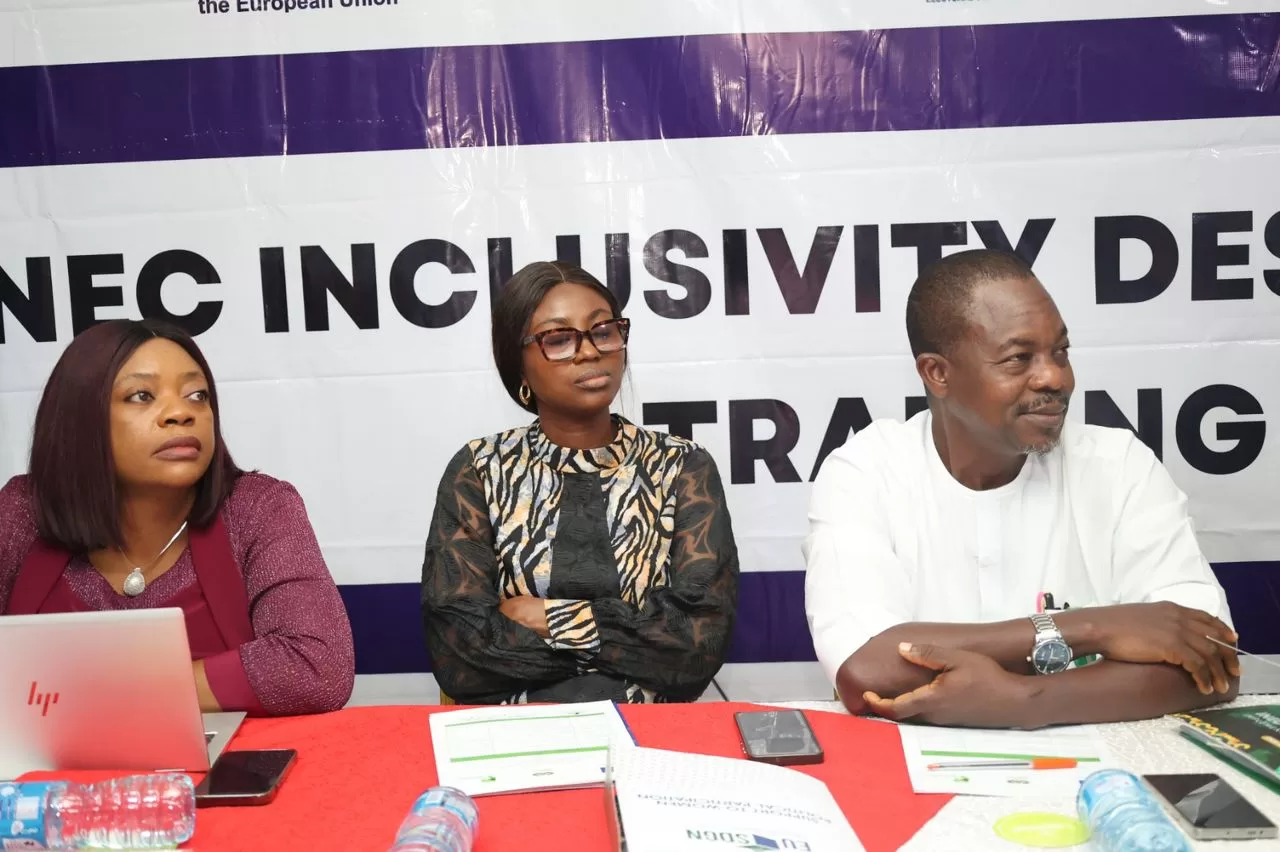
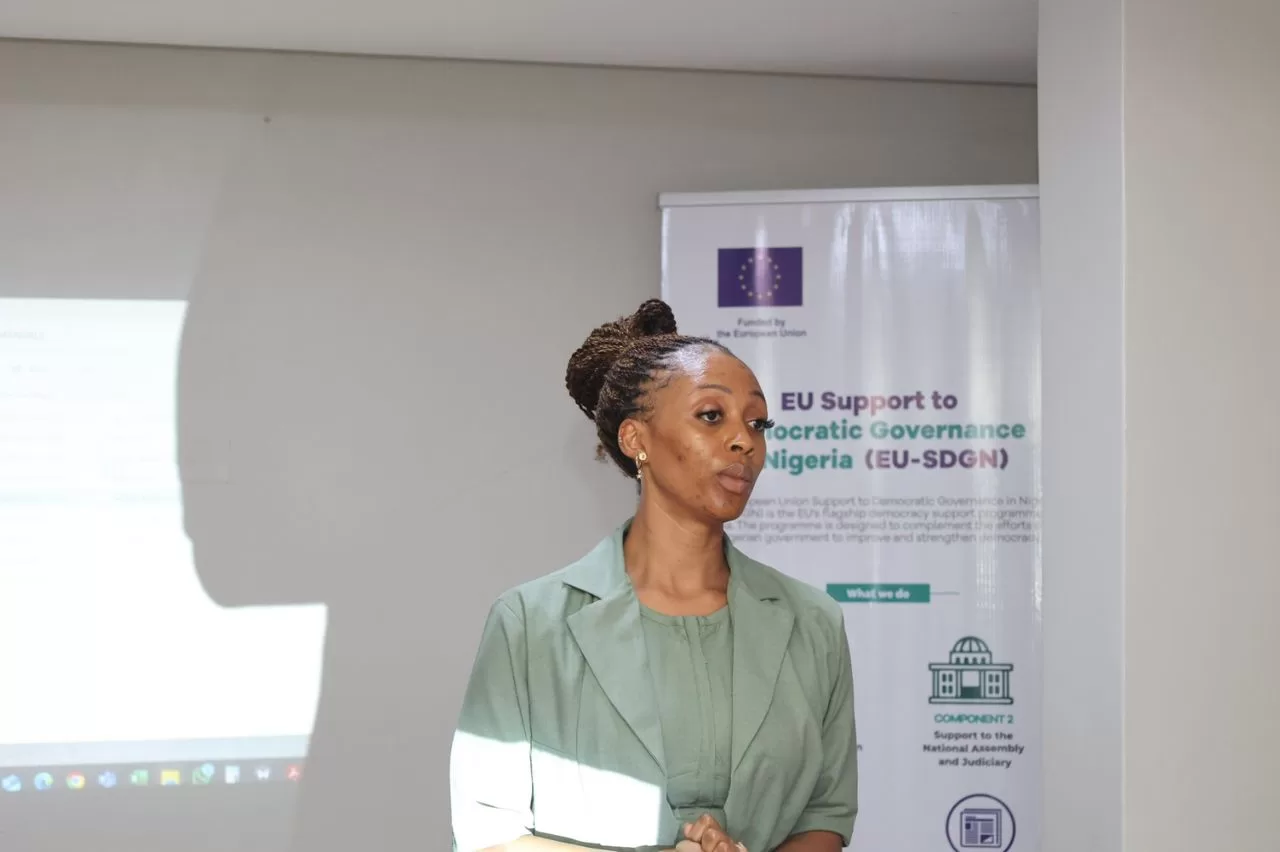
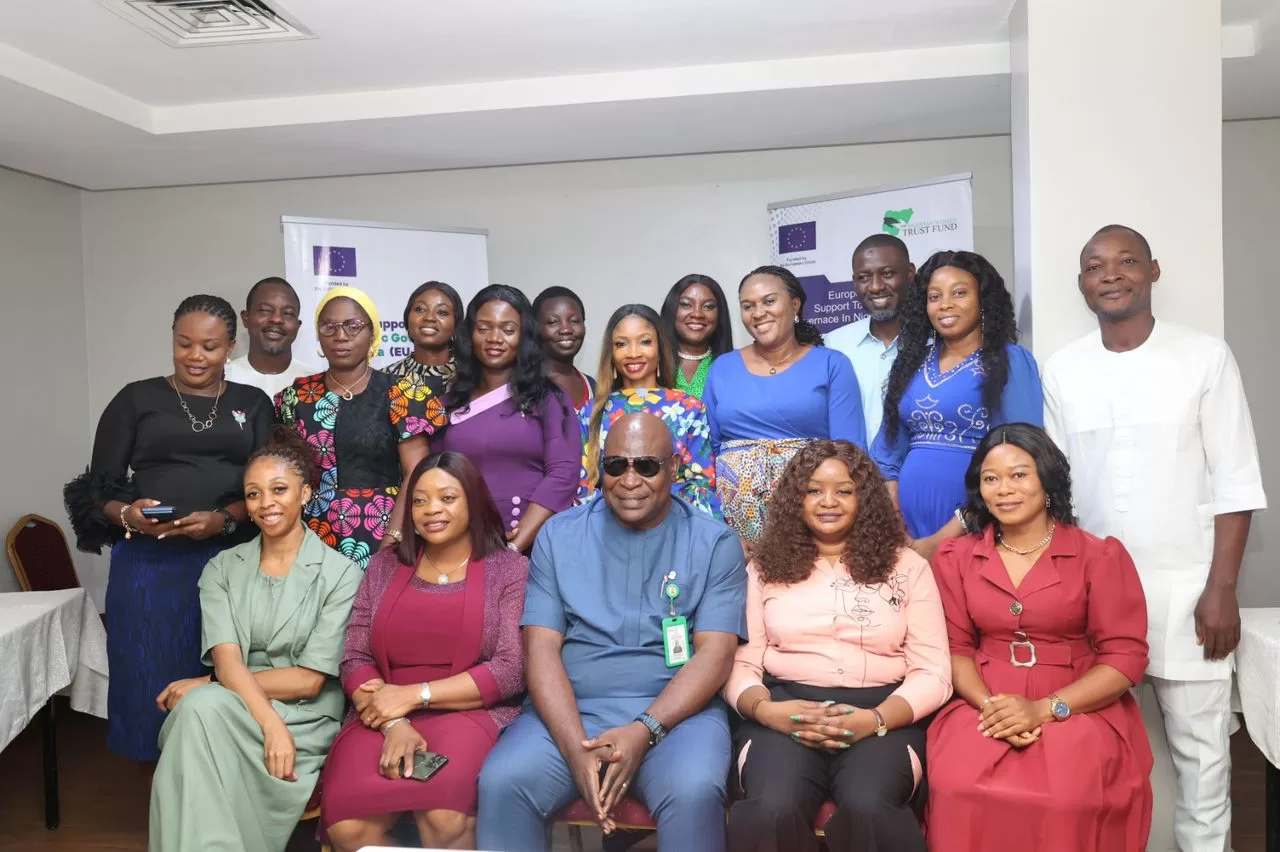
The latest stop of NWTF’s Inclusivity Desk Officer Training was in Port Harcourt, gathering officers from Akwa Ibom, Bayelsa, Cross River, Delta, Edo, and Rivers States. Over three days, participants shared experiences and examined the region’s distinct challenges to inclusive governance—highlighting that fostering inclusion must reflect local realities. Issues such as economic exclusion, cultural barriers, and the underrepresentation of women and persons with disabilities in political structures stood out as recurring concerns. These conversations are being captured to shape stronger, evidence-based strategies that will drive genuine inclusivity across the South-South and beyond.
South-West
News Flash: Lagos Hosts the South-West Inclusivity Training
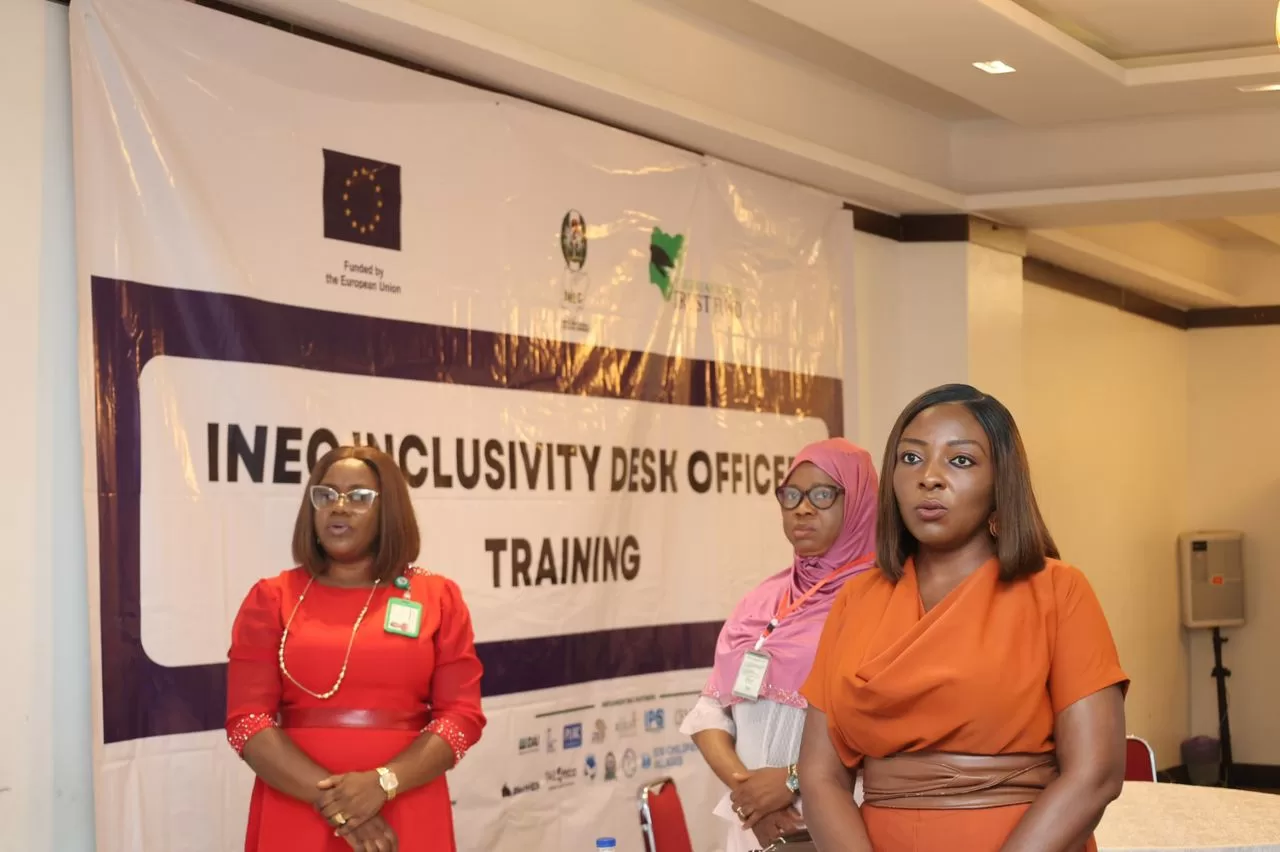
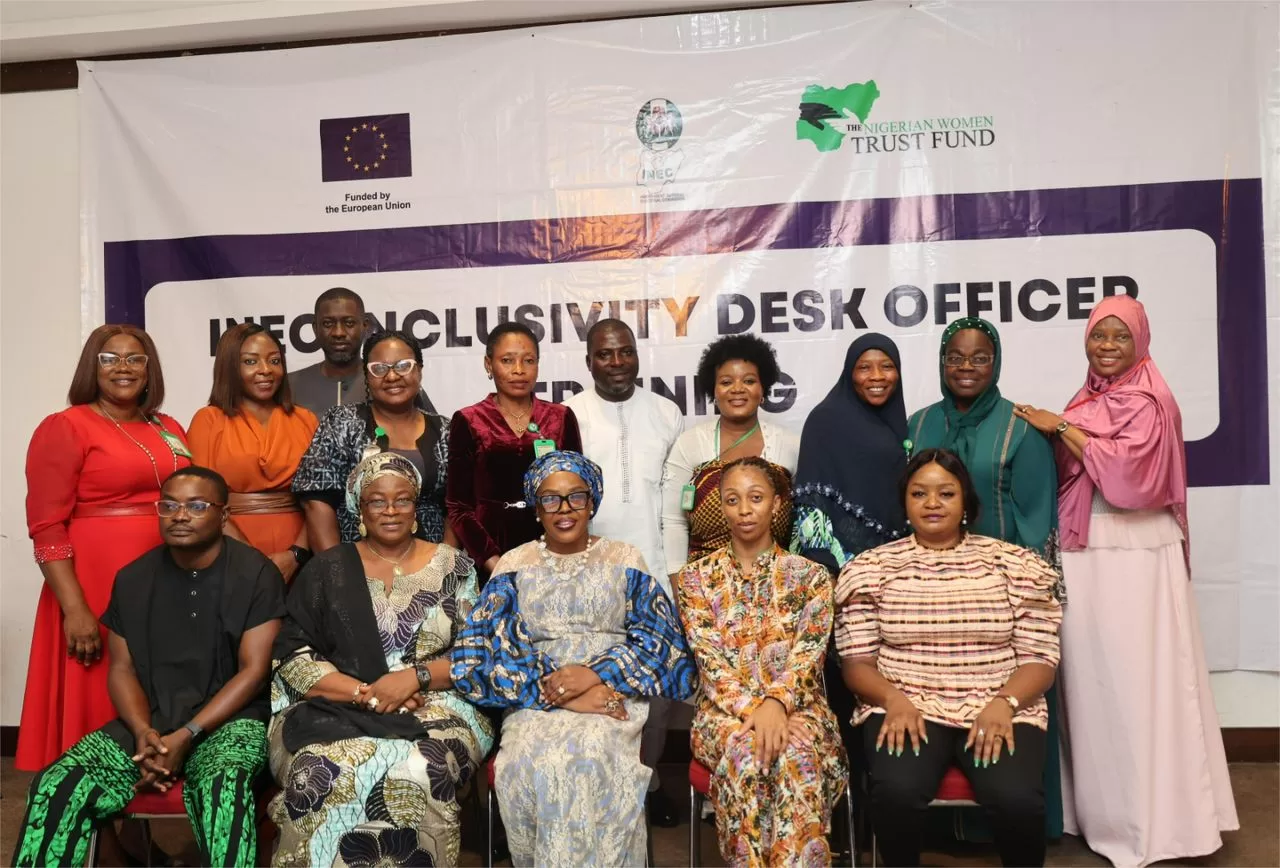
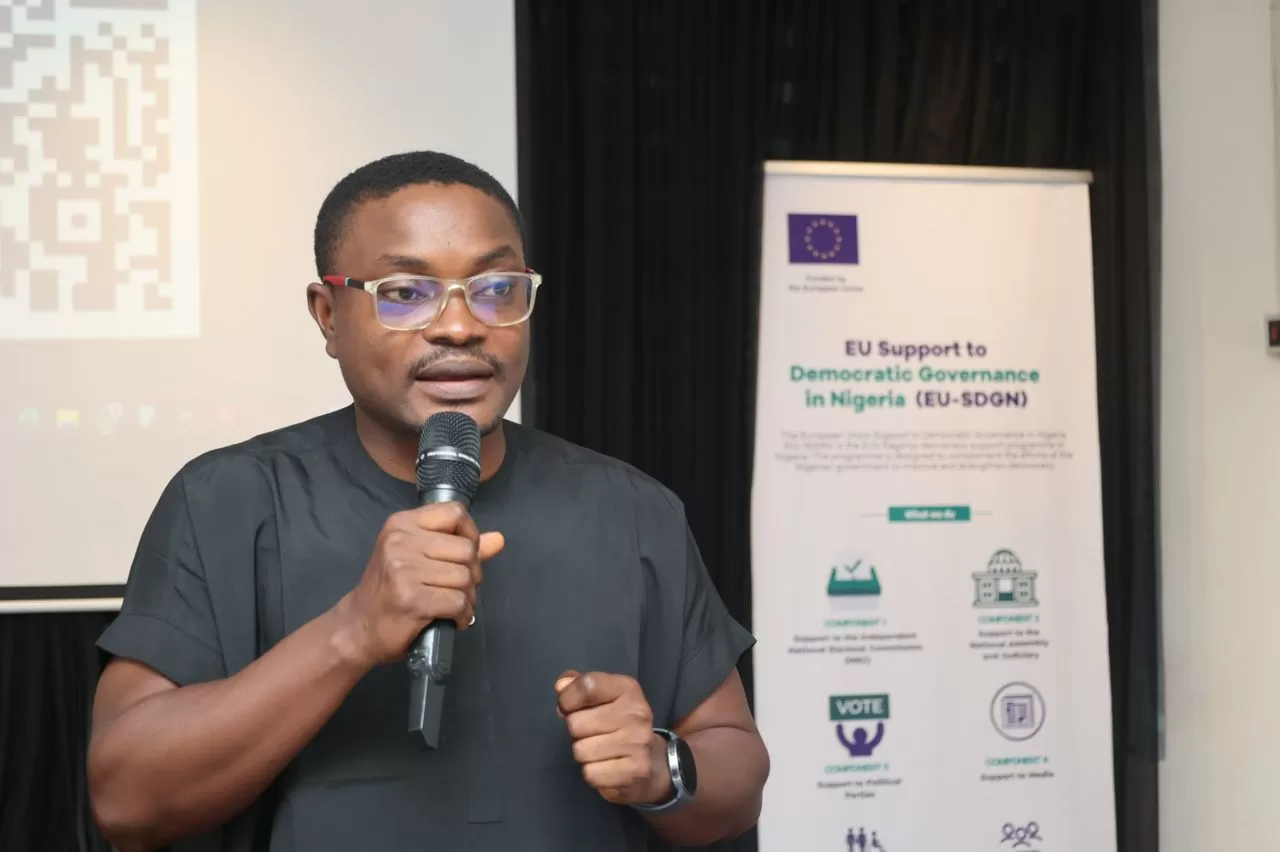
The Inclusivity Desk Officer Training journey made its South-West stop in Lagos State, convening officers from Ekiti, Lagos, Ogun, Ondo, Osun, and Oyo. For three days, participants exchanged experiences and unpacked the region’s unique challenges to inclusive governance. Discussions highlighted enduring socio-cultural norms, economic disparities, and political structures that continue to limit the participation of women and persons with disabilities in decision-making. The role of informal networks and entrenched patronage systems also emerged as critical factors shaping political access in the zone. These conversations reaffirmed the importance of tailoring inclusion strategies to reflect the diverse realities of each state and community. Insights from the training are being documented to strengthen NWTF’s evidence-based programming and advance meaningful political participation across the South-West and beyond.
South-East
News Flash: Anambra Hosts the South-East Inclusivity Training
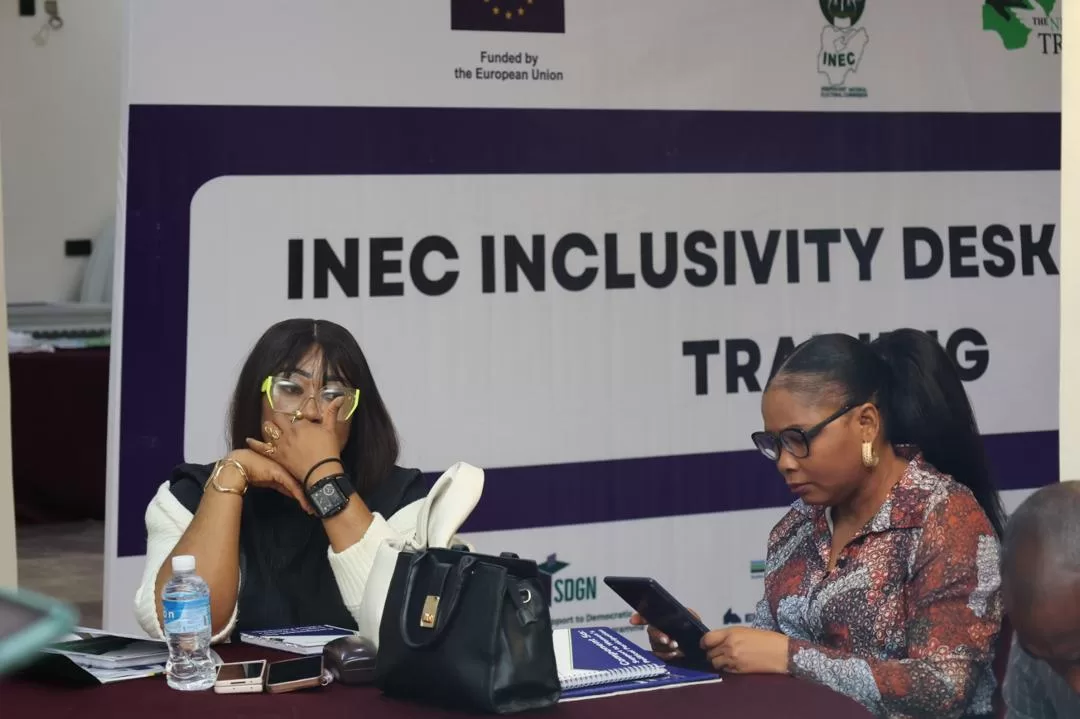
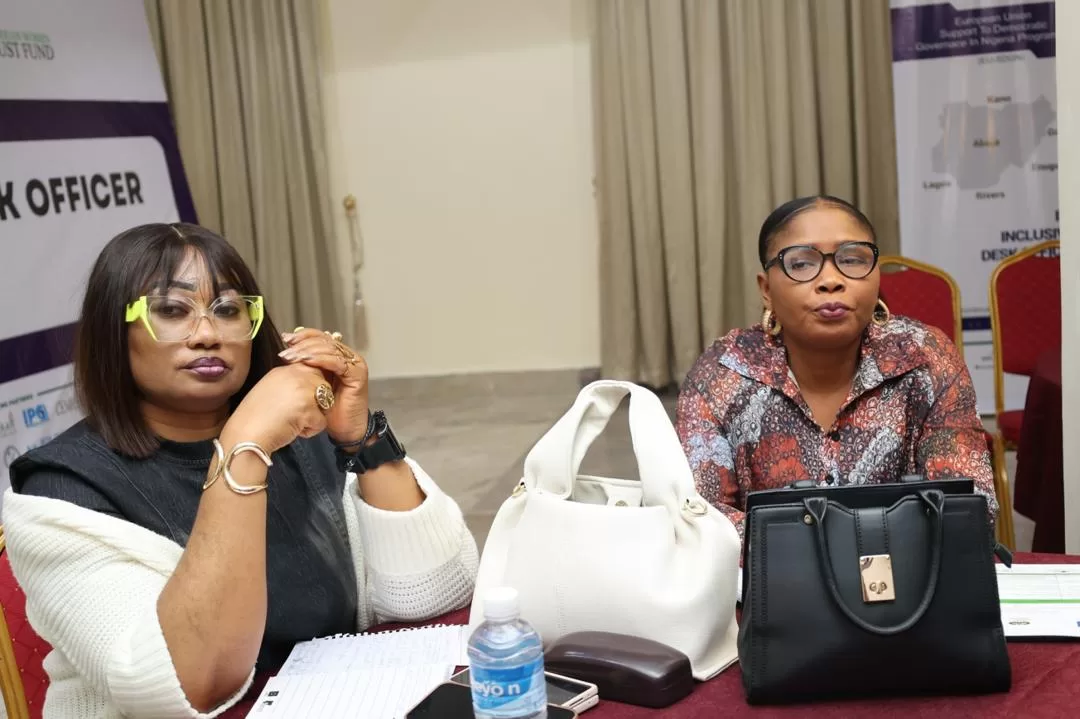
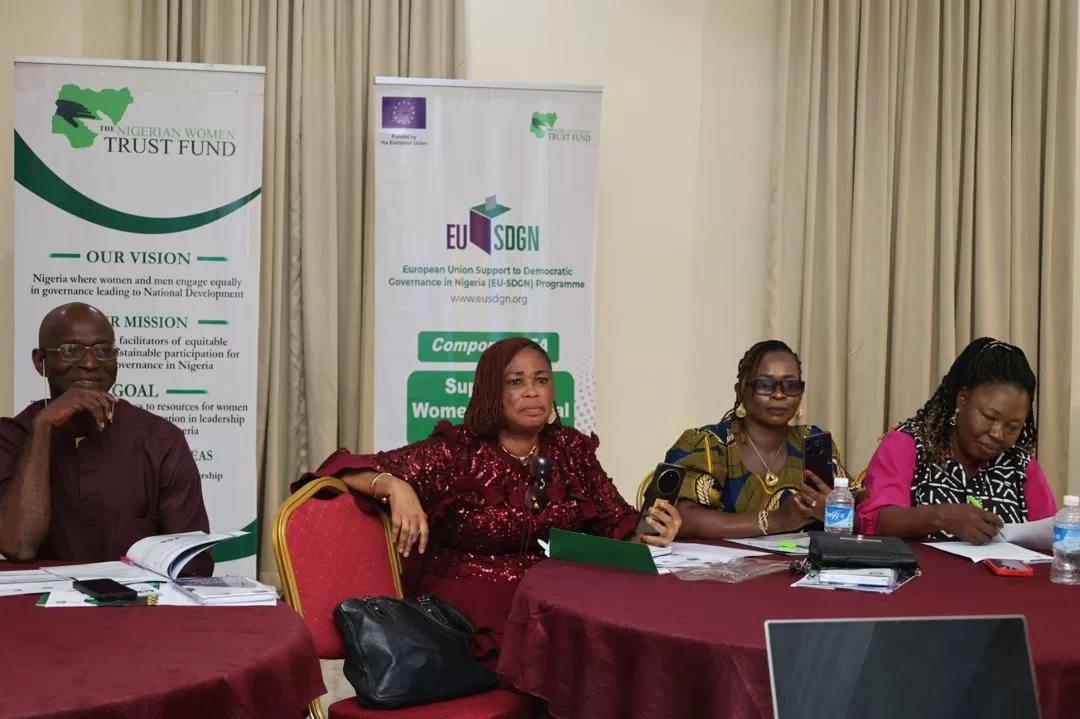
The Inclusivity Desk Officer Training journey continued in Anambra State, bringing together officers from Abia, Anambra, Ebonyi, Enugu, and Imo. Over three days, participants shared practical experiences and examined the region’s distinct challenges to inclusive governance. Discussions revealed persistent cultural and structural barriers that hinder women and persons with disabilities from fully engaging in political processes, alongside the influence of entrenched patronage systems. These exchanges underscored the fact that pathways to inclusion must reflect the realities of each state and community. The insights gathered are being carefully documented to sharpen NWTF’s programming and build stronger, evidence-based strategies that will advance inclusive participation across the South-East and beyond.

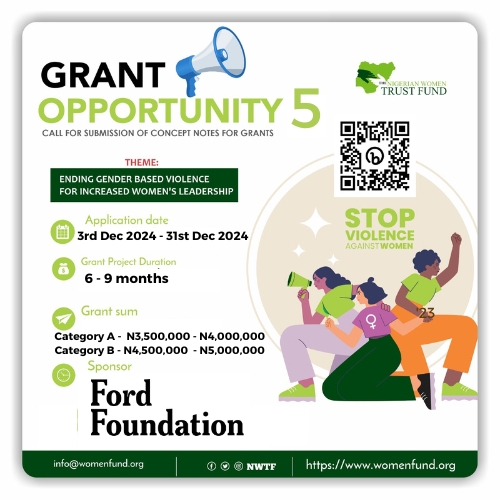
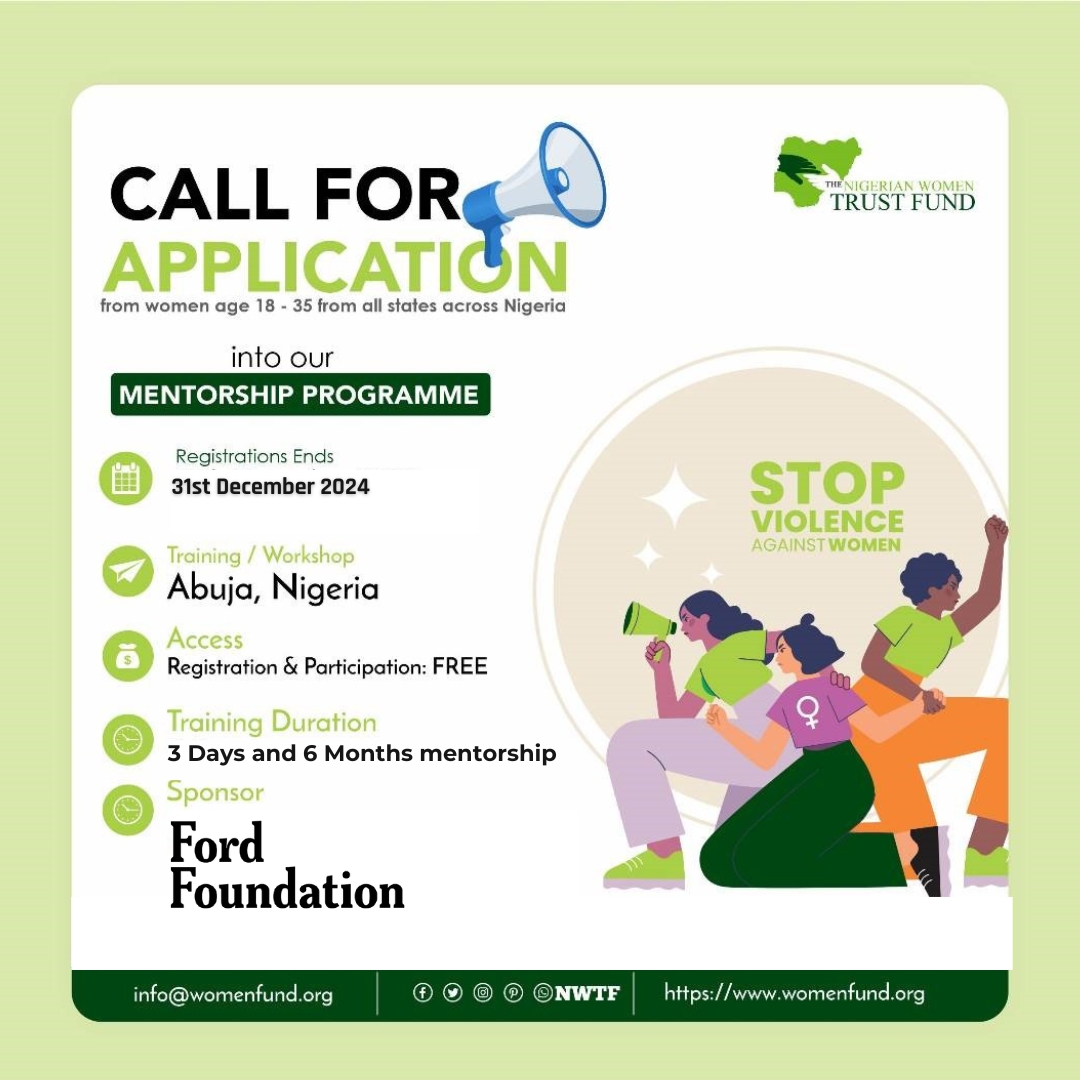

[…] This institute was a sequel to the successful completion of a similar but distinct project under the Ford Foundation called Ending Violence against Women and Girls (EVAWG) Phase I and II in eight states – Adamawa, Cross River, FCT, Nasarawa, Ebonyi, Rivers, Kebbi and Ekiti state. This brought the idea of instilling leadership skills in women and girls across the country. Hence, the National Institute for Leadership and Ending Violence against Women and Girls (NILEVAWG). […]
Comments are closed.